
I have spent years watching how online gambling regulation affects the player experience, and I can say with certainty that licensing is the single most important factor when selecting where to play. In Slovakia, the gambling market is not a free-for-all; it is carefully supervised by the Úrad pre reguláciu hazardných hier, and only operators that meet strict criteria can legally provide their services. When I look at Imperial Wins Casino, I see a platform that has treated these requirements seriously, constructing its entire operation around a licensed framework that protects both regular players and big spenders. A valid licence means the casino’s software has been tested for fairness, its financial practices are audited, and there is a defined route for dispute resolution. Without this bedrock, you are essentially handing over your money and personal data to an unaccountable entity. Understanding how casino licensing works, what the different authorities verify, and how terms and conditions connect with that framework is more than just handy insight—it is your initial defense. I will walk you through every layer of this system so you can make informed decisions with confidence.
The reason Casino Licensing Matters for Player Safety
Every time I assess an online casino, the first thing I look at is the licensing information, because that single detail indicates whether the operator is answerable to a higher authority. A licensed casino must adhere to rules that encompass everything from the randomness of its games to the speed of withdrawals. If something goes wrong, you possess a regulator to turn to, which is a powerful safeguard that unlicensed sites simply are unable to provide. In my experience, players often fail to realize how much work goes into maintaining a licence. Regulators insist on regular audits of the random number generator, proof that player funds are kept separate from operational accounts, and adherence to anti-money laundering protocols. For anyone playing from Slovakia, where the local regulator maintains high standards, the presence of a recognised licence indicates the casino has been vetted for fairness and solvency. I have seen too many cases where unlicensed platforms ceased to exist overnight, leaving players with no recourse. Licensing is not a bureaucratic formality; it is the mechanism that converts a gambling website into a trustworthy entertainment venue.
Beyond the technical checks, a licence also forces the operator to implement responsible gambling tools that I view as essential. Deposit limits, reality checks, self-exclusion options, and links to problem gambling support organisations are not optional extras in a regulated environment—they are mandatory. When I log into a properly licensed casino like Imperial Wins Casino, I can immediately notice these features integrated into the account settings, which indicates the brand is committed to player welfare, not just profit. The licensing process also examines the backgrounds of the company’s directors and key personnel, guaranteeing that no one with a history of fraud or criminal activity is running the show. This level of scrutiny provides me with peace of mind that the games are not rigged and that my personal information is handled in compliance with data protection laws. In a country like Slovakia, where the gambling act establishes clear boundaries, a licence is the dividing line between a safe pastime and a potential scam.
Major Licensing Authorities and Their Inspection Criteria
The Licensing Application Process
When a casino applies for a licence, I know from studying the process that it must present an extensive dossier that covers every aspect. The regulator will scrutinize the company’s corporate structure, the source of its funding, and the technical specifications of its gaming platform. For jurisdictions like Malta, Curaçao, or the United Kingdom, the application includes comprehensive business plans, software testing certificates, and proof of adequate capital reserves to cover player winnings. I have seen that the background checks on directors and ultimate beneficial owners are extremely thorough; any undisclosed criminal record or prior bankruptcy can lead to swift rejection. The Slovak regulator implements similar strictness, requiring operators to demonstrate that their servers and data handling comply with EU privacy standards. Imperial Wins Casino has navigated this stringent process successfully, which tells me that its ownership and operational model have been screened at the highest level. The application phase alone can take months, and the cost acts as a barrier that eliminates frivolous or undercapitalised ventures.
Ongoing Compliance and Audits
Obtaining a licence is only the beginning; I continually tell players that the real test is ongoing compliance. Regulators conduct routine audits, sometimes announced and sometimes unannounced, to verify that the casino continues to meet all conditions. These audits cover the integrity of the random number generator, the accuracy of payout percentages, and the security of financial transactions. In my experience, a licensed casino must submit regular reports on player funds, anti-money laundering checks, and responsible gambling metrics. If a site like Imperial Wins Casino fails an audit, it risks fines, suspension, or outright revocation of its licence. I have detected that the most respected authorities also require independent testing labs, such as eCOGRA or iTech Labs, to certify the games monthly. This ongoing scrutiny means that the fairness you encounter on day one is maintained throughout the casino’s operation. It is a level of oversight that unlicensed sites just replicate, and it is why I always recommend checking a casino’s audit certificates before depositing a single euro.
The manner in which the Slovak Gambling Market Controls Online Casinos
The Slovak Republic has built a regulatory framework that I view both robust and transparent, based around the Gambling Act and the oversight of the Úrad pre reguláciu hazardných hier. This authority grants individual licences for different types of gambling, and online casino operators are required to get a specific permit that encompasses their digital offerings. When I examine the requirements, I observe that they are designed to safeguard the local player base from unqualified foreign operators while still permitting healthy competition. Any casino that aims to legally target Slovak residents needs to hold a licence issued directly by the Slovak regulator or run under a recognised EU licence that adheres to local notification procedures. Imperial Wins Casino, for instance, positions itself with these standards, ensuring that its platform fulfils the technical, financial, and ethical benchmarks set by the authorities. I recognise that the Slovak system also mandates clear labelling of licensed sites, so players can rapidly distinguish between approved operators and offshore entities that try to circumvent the rules.
One aspect of the Slovak approach that I particularly value centres on the emphasis on player fund protection and transparent complaint handling. The regulator mandates licensed casinos to maintain separate client accounts, which signifies your deposits are not mixed with the company’s operational cash. If a casino faces financial difficulties, your money remains ring-fenced and recoverable. Additionally, the Úrad pre reguláciu hazardných hier offers a formal channel for disputes, and I have witnessed cases where the regulator intervened to resolve withdrawal delays or bonus disagreements. This local oversight is enhanced by the fact that many international licensing bodies, such as the Malta Gaming Authority, have cooperation agreements with Slovak authorities. When I suggest a platform like Imperial Wins Casino to Slovak players, I do so aware that its licensing structure is designed to work within this ecosystem, offering both international credibility and local accountability. Understanding this dual layer of protection assists you see why licensing is not just a badge on a website but a functional safety net.
Understanding Affiliate Programmes and Their Legal Boundaries
Affiliate Advertising Compliance in Slovakia
Partner promotions is a strong channel for online casinos, but I have seen how readily it can cross into non-compliance when not correctly managed. In Slovakia, any promotion of gambling services must adhere to the advertising rules set by the regulator, which include restrictions on targeting minors, mandatory responsible gambling messages, and accurate representation of bonuses. When I evaluate an affiliate programme, I look for clear guidelines that partners must follow, because a licensed casino is in the end responsible for the actions of its affiliates. Imperial Wins Casino structures its affiliate partnerships with this accountability in mind, obliging all marketers to include terms and conditions links, age restrictions, and problem gambling resources in their promotional materials. I have observed that the Slovak market is notably sensitive to misleading advertising, and the regulator can penalise both the affiliate and the operator if promotions suggest that gambling is a solution to financial problems or omit key bonus restrictions. A compliant affiliate programme is not just a marketing tool; it is an extension of the casino’s licence obligations.
Imperial Wins Casino’s Approach to Responsible Partnerships
When I examined Imperial Wins Casino’s affiliate programme, I identified a model that emphasises transparency and long-term trust over aggressive acquisition tactics. The programme offers partners with pre-approved marketing materials that already feature the necessary legal disclaimers, reducing the risk of accidental non-compliance. I value that the casino monitors affiliate traffic sources and can terminate partnerships if a marketer employs spam, misleading banners, or targets vulnerable audiences. This level of oversight is consistent with what I anticipate from a licensed operator that fulfils its regulatory duties seriously. The commission structures are clearly set, and there are no hidden clauses that permit the casino to retroactively modify terms without notice—a practice I have seen in less reputable programmes. For Slovak affiliates, working with a brand like Imperial Wins Casino signifies they can market with confidence, aware that the programme itself is built on the same legal foundation as the casino’s gaming operations. This alignment between licensing and affiliate management is something I always highlight because it secures everyone in the chain, from the player to the promoter.
The Importance of Terms and Conditions in a Licensed Environment
I commonly observe players skip the terms and conditions page, but in a authorized casino, that document is a enforceable contract shaped by regulatory requirements https://imperialwins.sk/legal-and-affiliates/. A license obliges the operator to provide clear rules on offers, withdrawals, account verification, and dispute resolution. When I examine the terms of a casino like Imperial Wins Casino, I can identify many clauses originating from licensing mandates—such as the need to conduct identity checks before handling large withdrawals, which is an financial crime prevention measure, not a stalling tactic. Regulated casinos cannot conceal predatory terms in fine print because regulators examine these documents and can order changes if they detect anything unfair. For Slovak players, this means that the wagering requirements, maximum bet limits during bonus play, and game contribution percentages must be open and reasonable. I have compared licensed and unlicensed terms side by side, and the difference is significant: unregulated sites often include clauses that enable them to confiscate winnings for unclear reasons, while licensed operators are bound by principles of justice and transparency.
Another essential function of terms and conditions in a official framework is the establishment of a clear complaints procedure. If I ever experience a problem with a withdrawal or a bonus, the terms will inform me clearly how to escalate the issue, first to the casino’s support team and then, if needed, to the regulator. This process is not a favor; it is a mandate that comes with the permit. Imperial Wins Casino, for example, includes a specific section describing the steps for dispute resolution, which gives me certainty that I am not subject to an arbitrary decision. The terms also establish the jurisdiction whose laws regulate the contract, which is significant for Slovak players because it determines which courts or regulatory bodies have power. In a licensed environment, the terms and conditions are not a pitfall but a protection, and I encourage every player to review them with the knowledge that they exist to protect both parties within a supervised system.
The way to Verify a Online casino’s Licence Yourself
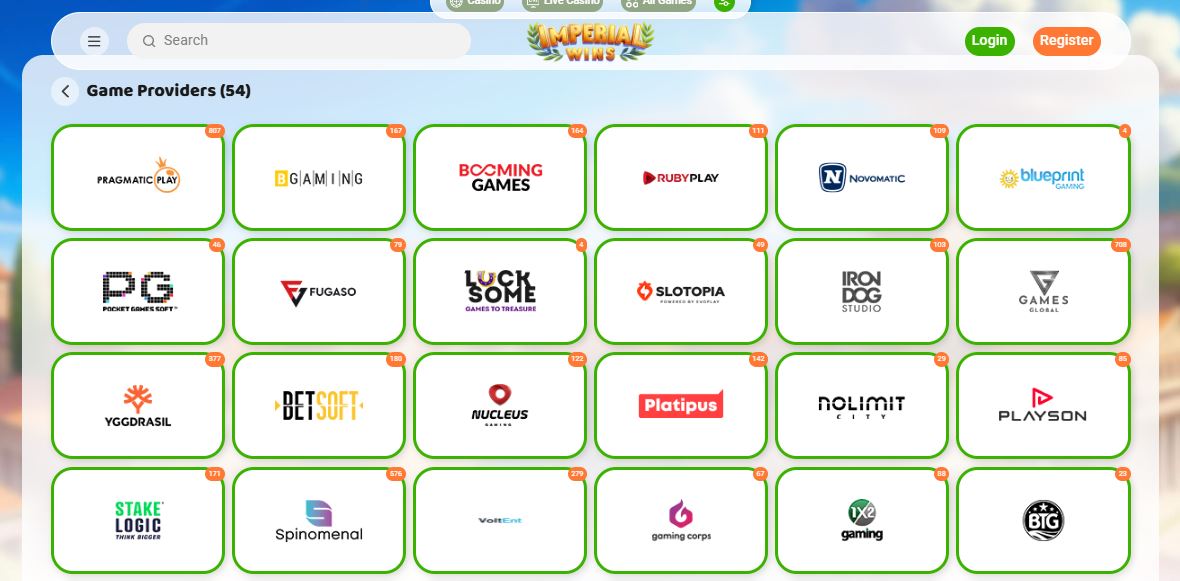
I believe every player should know the way to personally verify a casino’s licensing claims, because a logo at the bottom is not enough. The first step I take is to go to the footer of the homepage and select the licence badge or the clickable licence number. A reliable gambling site will always make this clickable, leading directly to the regulator’s official register. When I check Imperial Wins Casino, for example, the licence information is clearly displayed and links to a checkable record on the authority’s website. I then cross-reference the company name, the licence number, and the domain name to verify they align. If any detail is not present or the link leads to a non-specific page rather than a specific entry, I view that as a red flag. This simple habit has kept me away from countless dubious platforms that display fake seals without any real backing. The following steps describe the verification process I advise to every Slovak player:
- Find the licence badge, usually in the website footer, and select it to access the regulator’s validation page.
- Note the licence number, the registered company name, and the date of issue displayed on the regulator’s site.
- Match the domain name registered on the licence with the casino’s actual URL to ensure they are identical.
- Check the licence status—confirm it is marked as active and has not been suspended.
- Look up the regulator’s public register directly using the company name if the badge link does not function.
After finishing these checks, I also seek out additional trust signals that support the licence. Independent testing certificates from labs like eCOGRA or GLI should be accessible, and I often locate them in the fairness or security section of the casino’s website. For Slovak players, it is also advisable to confirm whether the casino appears on the Úrad pre reguláciu hazardných hier’s list of authorised operators, if it claims to have a local licence. I have noticed that Imperial Wins Casino makes this information simple to locate, which reflects a culture of openness that I value. If a casino makes the verification process difficult or provides ambiguous answers when I inquire for licence details, I move on immediately. The capacity to verify a licence in under two minutes is a privilege that regulation gives you, and employing it is the most intelligent move you can make before adding any money.
Common Questions About Casino Licensing
Does a Curaçao licence suffice for Slovak players?
I encounter this issue regularly, and the answer has some subtlety. A Curaçao licence represents a legitimate type of governance, but it is not as stringent as a Malta or UK licence, and it does not freely give the authority to target Slovakia specifically. The Slovak regulator requires operators focusing on local players to have either a domestic licence or adhere to EU notification procedures under a recognised member state licence. While a Curaçao-licensed casino may still provide a safe experience if it follows good practices, I consistently recommend Slovak players to check whether the platform has any additional local authorisation or at minimum a solid history of fair play. Imperial Wins Casino, for instance, makes sure its licensing setup complies with the Slovak legal framework, providing players an additional layer of confidence that a standalone Curaçao licence on its own could not supply.

What happens if a casino functions without a licence?
When a virtual casino functions without any legitimate licence, it is operating illegally, and the dangers for players can be grave. I have observed unlicensed sites manipulate game outcomes, hold withdrawals indefinitely, or just disappear with player funds. Because there is no regulator, you possess no official organisation to complain to, and retrieving your funds often grows impossible. In Slovakia, the authorities actively block unlicensed gambling websites and are able to penalise on operators that violate the law. I always stress that playing at an unlicensed casino is not worth the offered bonuses or easy verification, because the lack of regulation means you are entirely vulnerable. A licensed platform like Imperial Wins Casino removes that uncertainty by functioning within a system of responsibility that unlicensed sites deliberately avoid.
Leave a Reply